
5/7/26
The Mental Health AI Market is Crowded. Evidence is Still Rare.
A new Hemingway Report market map shows conversational AI in mental health is moving fast, but clinical evidence remains the clearest differentiator.

Back to Resources



Summary
The Hemingway Report's 2026 Market Map analyzed 31 conversational AI products in mental health and found only five with RCT-level evidence or higher. Velora, ieso's clinical-grade AI mental health program, was named one of them, alongside Elomia, Flourish/Sunnie, Limbic, and Wysa. Velora sits in the report's Clinical Infrastructure segment, which it identifies as having the highest concentration of clinical evidence in the dataset. As conversational AI scales in mental healthcare, evidence and transparency are what separate responsible innovation from noise.
Conversational AI in mental health is moving fast. New products are entering the market, existing care platforms are adding AI-powered features, and buyers are being asked to evaluate a category that is still taking shape.
That’s what makes The Hemingway Report’s new Market Map: Conversational AI in Mental Health such a useful contribution.
The report analyzes 31 products across clinical, product, and business dimensions, including clinical positioning, evidence, human involvement, business model, and regulatory status. It groups the market into three segments: Scaled Hybrid Platforms, Consumer-First, and Clinical Infrastructure.
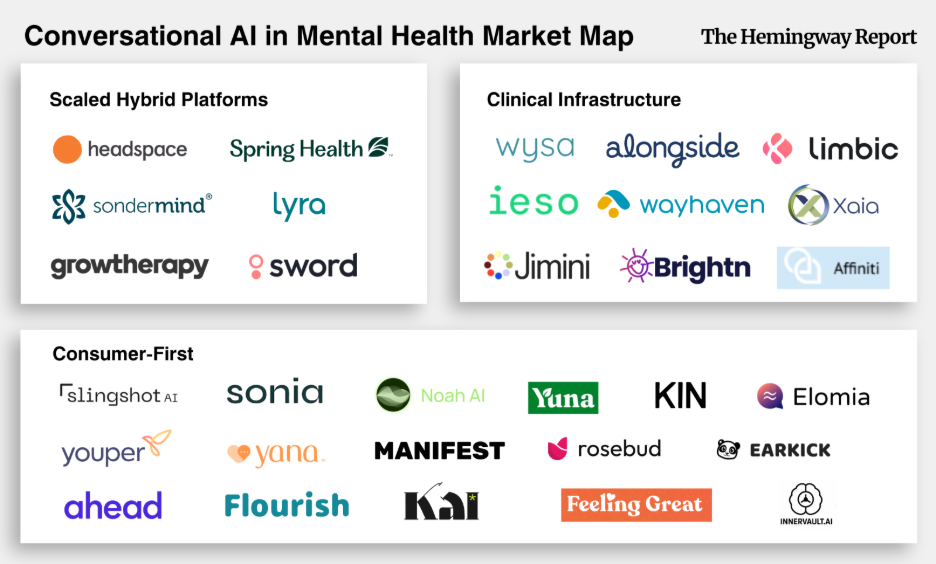
One finding in particular stood out: only five of the 31 products analyzed have RCT-level evidence or above.
We are proud to see ieso’s program, Velora, recognized as one of them, along with Elomia, Flourish/Sunnie, Limbic, and Wysa.
Eleven products, more than a third of the market map, had no published clinical evidence at all.
That evidence gap matters.
Conversational AI for mental health is not simply one thing. Some products are consumer-facing wellness apps. Some are AI features added to broader care platforms. Others are built as infrastructure designed to integrate into other programs and platforms.
Velora was included in the Clinical Infrastructure category. According to the report, “This segment describes companies building conversational AI products designed to sit within or alongside another organization’s clinical services and workflows...[to] augment what clinicians and care systems already do — whether through between-session support, measurement-based care, or structured intervention delivery that feeds back into a treatment plan.”
The report notes that this segment also has the highest concentration of clinical evidence in the dataset.
Again, that distinction is important. We believe AI-enabled mental health support should be clinically guided, evidence-based, thoughtfully governed, and designed to integrate seamlessly into the care experiences people already know, use, and trust.
The market is moving quickly, and that momentum is exciting. It’s what fires us up every single day. But speed alone is not enough. Quality matters, too.
As conversational AI becomes a larger part of mental healthcare, evidence and transparency will be essential to separating responsible innovation from noise.
➡️ Read the full Hemingway Report market map here.
➡️ Explore ieso’s evidence here.
Thank you to Steve Duke and the Hemingway community for bringing more clarity to this fast-moving space.


ABOUT THE AUTHOR

Molly Fuller
Head of Strategic Partnerships

Latest Articles
10/6/26
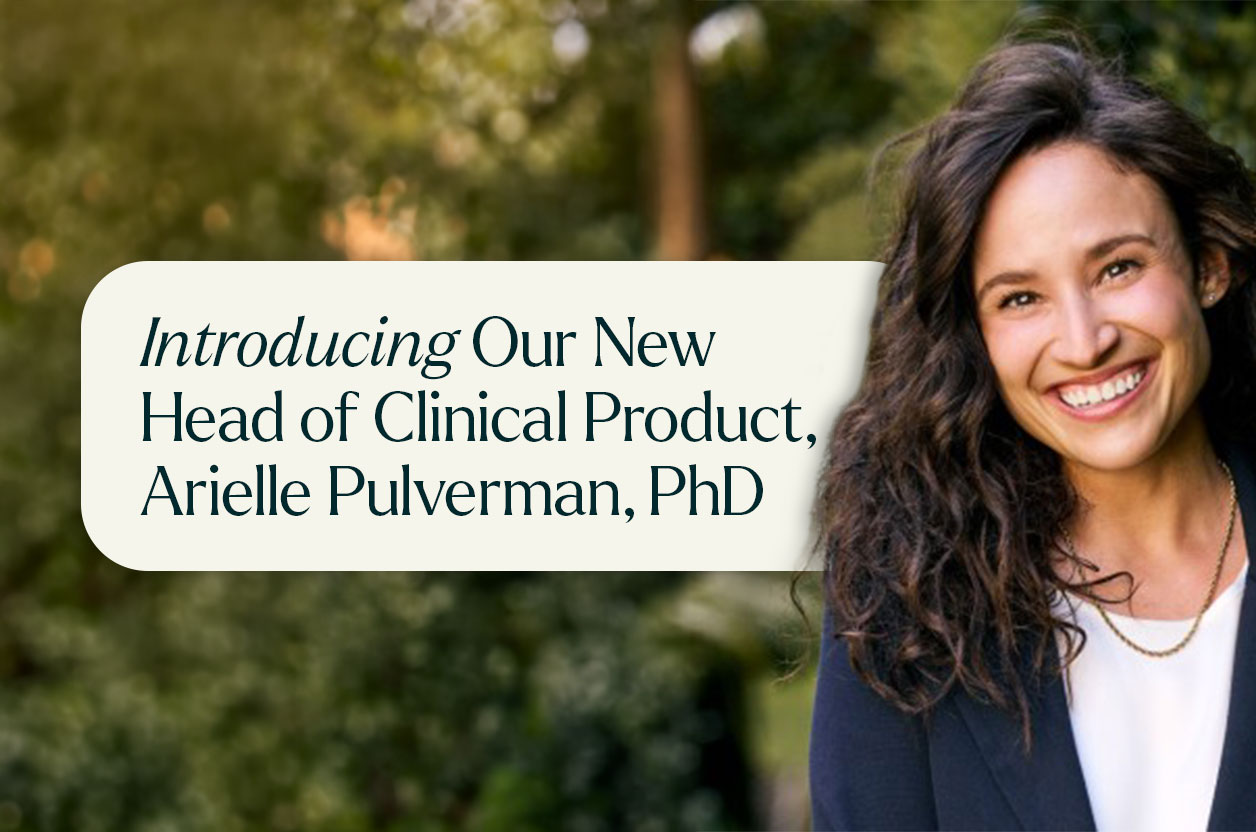
ieso Welcomes Arielle Pulverman, PhD as Head of Clinical Product
Meet the health psychologist, founder, and product leader shaping how ieso builds clinically grounded AI for mental health.
9/9/26
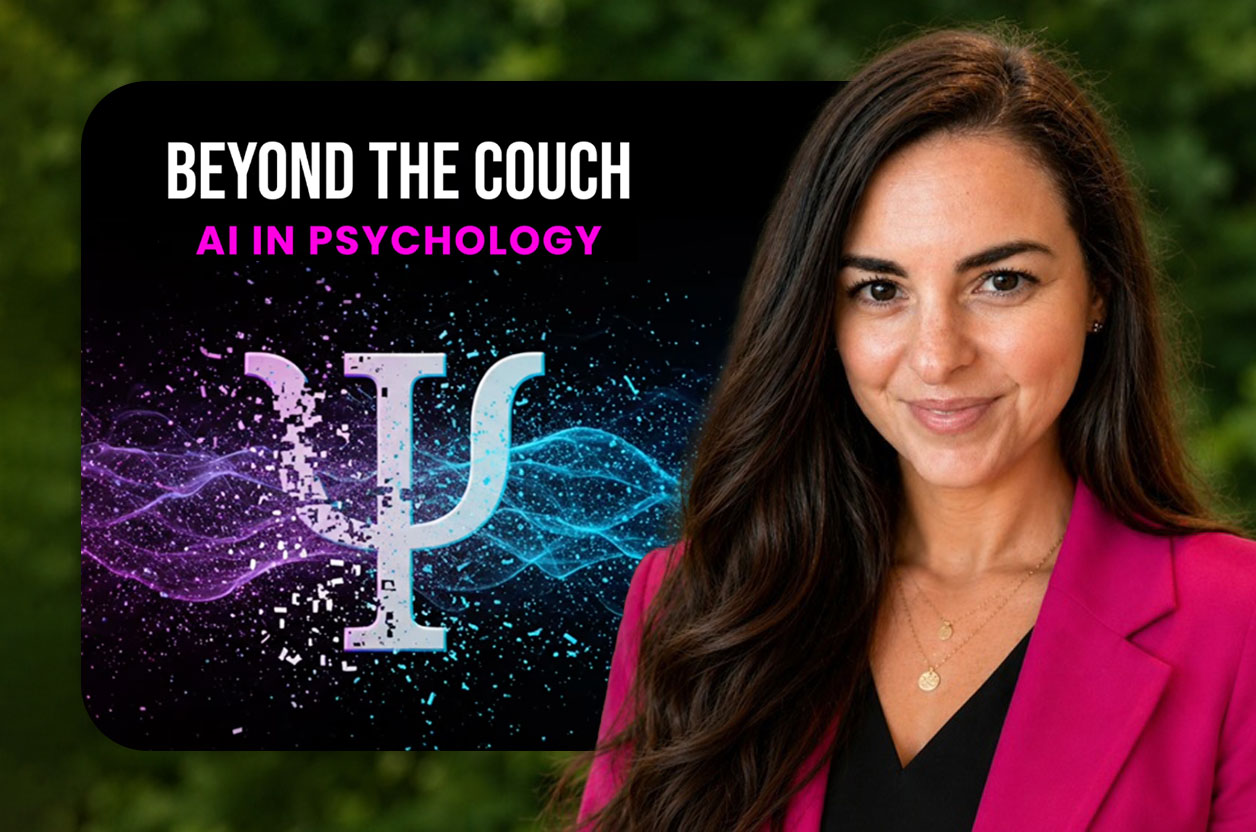
The Future of AI in Mental Health: Safety, Therapy, and Human Judgment
On the Beyond the Couch podcast, ieso's Head of Clinical Strategy, Alyssa Dietz, PhD, gets into where AI earns its place in mental health support and where human clinical judgment stays non-negotiable.

9/2/26
Listen Longer
Two years into his role, ieso CEO Kent Tangen pauses to reflect on lessons learned about leadership, ambition, humility, and building mental health support around what clinicians and patients need.
7/22/26
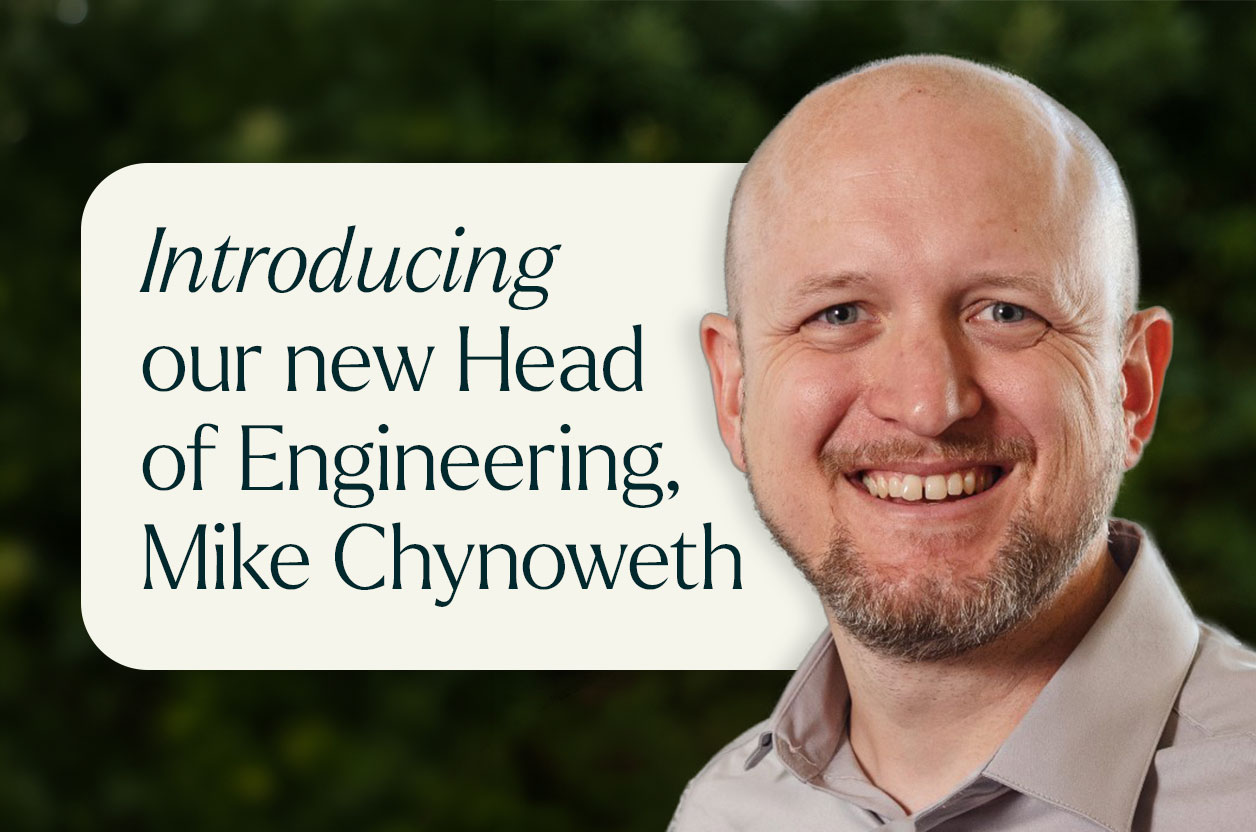
ieso Welcomes Mike Chynoweth as Head of Engineering
An engineering executive who translates strategy into execution and builds teams that deliver quality at speed, Mike Chynoweth brings over 20 years of experience across healthcare, security, and regulated SaaS to ieso as Head of Engineering.