
6/17/26
CBT? ACT? What’s the Difference?
CBT and ACT are closely related, but they work differently. ACT helps you create space between yourself and your thoughts, a skill that can be helpful if you're managing the stress, uncertainty, and emotional weight of living with a chronic condition.

Back to Resources



Summary
Acceptance and Commitment Therapy, or ACT, is part of the broader Cognitive Behavioral Therapy, or CBT, family, but it works differently from traditional CBT. While CBT often helps people identify and reframe unhelpful thoughts, ACT helps people notice difficult thoughts and feelings, create space from them, and take action based on what aligns with their values and matters most. This can be especially helpful for people managing chronic conditions, where pain, fatigue, fear, and uncertainty can be real rather than irrational. In the Velora program, ACT-based exercises help people build psychological flexibility, navigate distress, and take practical steps toward better mental wellbeing.
You’ve probably heard of Cognitive Behavioral Therapy, or CBT. It’s widely considered the gold standard for psychotherapeutic treatment of depression, anxiety, and other common mental health conditions.
Acceptance and Commitment Therapy, or ACT, may be a bit more mysterious to you.
Is it different from CBT? A type of CBT? Is it better?
Totally fair questions.
The short answer is, ACT is part of the broader CBT family. But it takes a different route toward helping people feel and function better.
Think of CBT like a drug category
CBT is a broad category of therapies that use cognitive and/or behavioral strategies. ACT is one specific approach within that family.
A helpful analogy: Think of CBT as a category of drugs, like painkillers. Think of ACT as a specific treatment within that category, like ibuprofen (Advil) or acetaminophen (Tylenol).
Every therapy in the CBT family works at the intersection of thought, behavior, and emotional wellbeing. But the specific approaches work differently and suit different situations, and not every provider (or, in this case, therapist) trained in the drug category (CBT) is trained in the specific treatment (ACT).
What do people usually mean when they say CBT?
When most people talk about CBT, they usually mean traditional Beckian-style cognitive behavioral therapy. This approach helps people understand the relationship between their thoughts, feelings, and behaviors – and the ways distorted thinking drives emotional distress.
A core idea of Beckian CBT is that emotional distress is often shaped by how we interpret and react to a situation rather than the situation itself. CBT helps people notice unhelpful thought patterns, examine whether those thoughts are accurate or balanced, and practice more adaptive ways of thinking.
For example, you might have the thought, “Nothing good ever happens to me.” A traditional CBT approach might help you reframe that thought into something like, “This morning really sucked, but that doesn't mean my whole day is ruined.”
That kind of reframing can be powerful. There’s a reason CBT is one of the most widely known and widely used evidence-based approaches in mental health care.
What ACT does differently from CBT
In ACT, the goal isn’t always to challenge, correct, or replace every difficult thought. Sometimes the more helpful move is to simply notice the thought, create some distance from it, and choose what to do next based on what matters most to you.
At its core, ACT asks: Is this thought helping me move toward the life I want?
We all have difficult thoughts and feelings we’d rather not have. Fear, sadness, frustration, shame, anger, grief, uncertainty. That's what makes us human.
ACT helps people who really struggle with difficult thoughts and feelings relate to them differently, so the internal experience feels less controlling or all-consuming. Instead of getting pulled into every thought or fighting every feeling, you can learn to make room for unavoidable discomfort and take meaningful action anyway.
That skill is called psychological flexibility. It’s the ability to stay connected to the present moment, notice what’s happening inside you, and choose actions that align with your values.
Why ACT can be beneficial for people with chronic conditions
ACT can be particularly effective for people living with chronic conditions, especially chronic pain.
When you’re navigating ongoing pain, fatigue, symptoms, treatment decisions, flare-ups, and uncertainty, not every difficult thought is irrational. Some fear is understandable. Some frustration makes perfect sense. That’s reality. Traditional reframing can struggle here; when the thought is realistic, there's nothing to correct.
So, the thought “I’m worried this will never get better” may not be something you can simply unthink or reframe away. ACT helps you notice your fear, accept it, create space around it, and build resilience to take small actions that ultimately add up to a lot – all in support of building the life you want.
Flexing that resilience muscle shows up in lots of ways. It might mean going for a short walk. Asking for help. Making it to the doctor’s appointment. Resting without guilt. Staying connected to friends and family. Doing the next useful thing, even when the hard feeling is still there.
And this isn't a fringe approach. ACT is supported by more than 1,000 randomized controlled trials across a wide range of conditions – including a growing evidence base in chronic health conditions – and has been adopted at scale by major health systems, including the VA's national rollout of ACT for depression.
What ACT looks like in the VeloraTM program
ACT shows up in the Velora program through guided exercises designed to help people step back from unhelpful thoughts and make room for difficult feelings, rather than fight either one.
For example:
“I’m having the thought that...”
Prefacing a difficult thought with this phrase creates distance between you and the difficult thought. “I’m having the thought that I can’t handle this” lands differently than “I can’t handle this.” One is something you are observing. The other can feel like an immovable fact.
Thought Parade
Visualize your thoughts as objects just passing by, like floats in a parade. They’re not things to grab onto or push away. They’re just things moving by. The mind keeps moving. So do you.
Cartoonify
Hearing a troubling thought in a silly voice can strip away some of its weight. It’s harder for a thought to feel catastrophic when SpongeBob is narrating it.
Thank-the-Mind
A simple acknowledgment: Thanks, mind. This helps reframe your mind as something trying to protect you, rather than an adversary to argue with.
On the surface, these exercises seem simple. But they’re incredibly powerful and actually doing something clinically important. When practiced, they help you create space between yourself and your thoughts, so those thoughts have less power over dictating what happens next.
Why Velora uses ACT
We built the Velora program to support people in the context of whatever they’re facing – when they’re stressed, anxious, overwhelmed, feeling down, burned out, or managing the burden of chronic illness on top of everything else modern life demands.
That’s why Velora offers ACT as one of its core components.
ACT is practical, values-based, and action-oriented. It teaches skills to use in the moment: noticing what’s happening, making room for discomfort, reconnecting with what matters, and taking the next useful step. It also teaches how to practice those skills across daily life.
ACT also translates naturally to digital delivery. The skills are discrete, practicable, and don't necessarily require a therapist in the room to be useful. Velora can meet you in the context of what you’re experiencing – whether that's a chronic condition, work stress, issues with identity, grief, relationships, and more – and guide you through structured, clinically informed exercises. Everything in the program is built on what we’ve learned from our dataset of 1M hours of real-world, outcomes-indexed therapy data – the largest in the world.
ACT doesn't ask you to deny the pain, fear, stress, or uncertainty that comes with being human. It helps you stop organizing your life around those experiences so you can feel more human.
That’s what Velora is built to do.
Want to see how the Velora program can bring mental health support into your digital health workflows? Book a demo.


ABOUT THE AUTHOR

Alyssa Dietz, PhD

Latest Articles

10/6/26
ieso Welcomes Arielle Pulverman, PhD as Head of Clinical Product
Meet the health psychologist, founder, and product leader shaping how ieso builds clinically grounded AI for mental health.
9/9/26
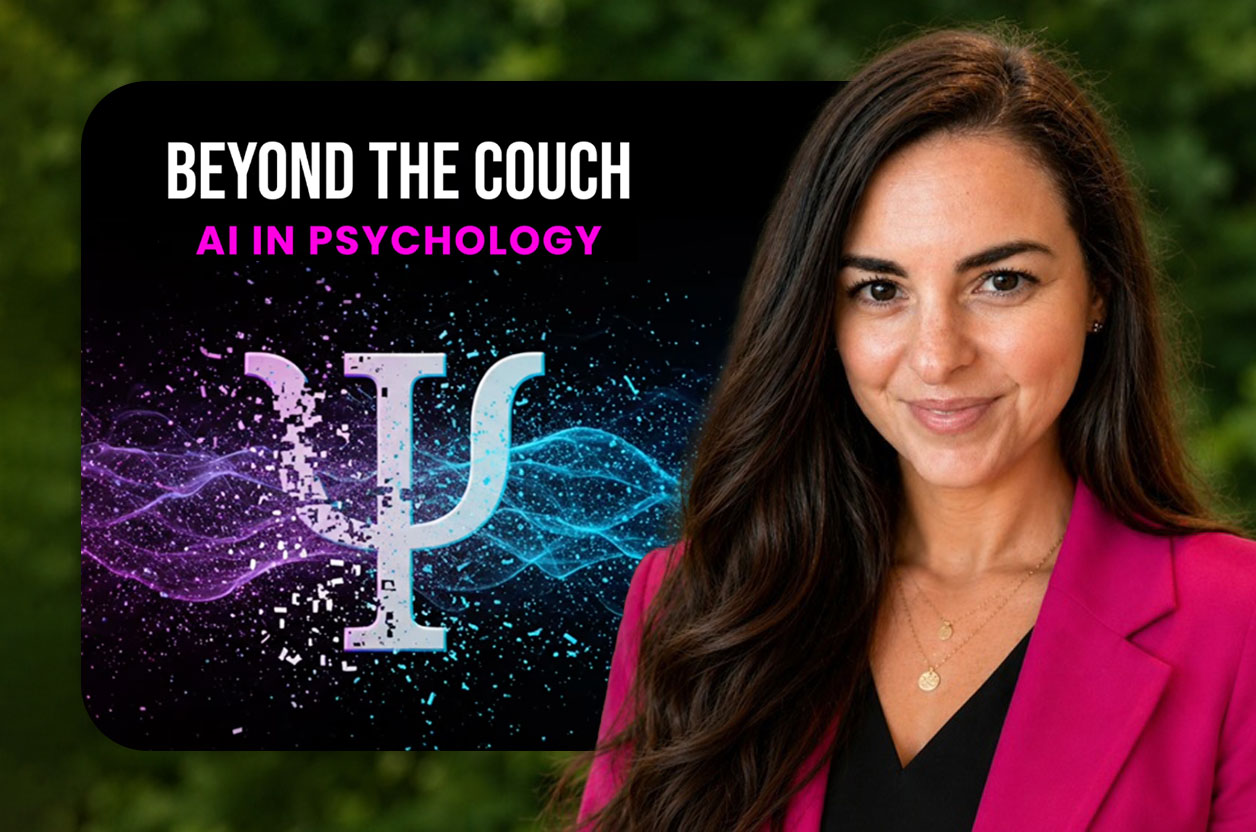
The Future of AI in Mental Health: Safety, Therapy, and Human Judgment
On the Beyond the Couch podcast, ieso's Head of Clinical Strategy, Alyssa Dietz, PhD, gets into where AI earns its place in mental health support and where human clinical judgment stays non-negotiable.

9/2/26
Listen Longer
Two years into his role, ieso CEO Kent Tangen pauses to reflect on lessons learned about leadership, ambition, humility, and building mental health support around what clinicians and patients need.
7/22/26
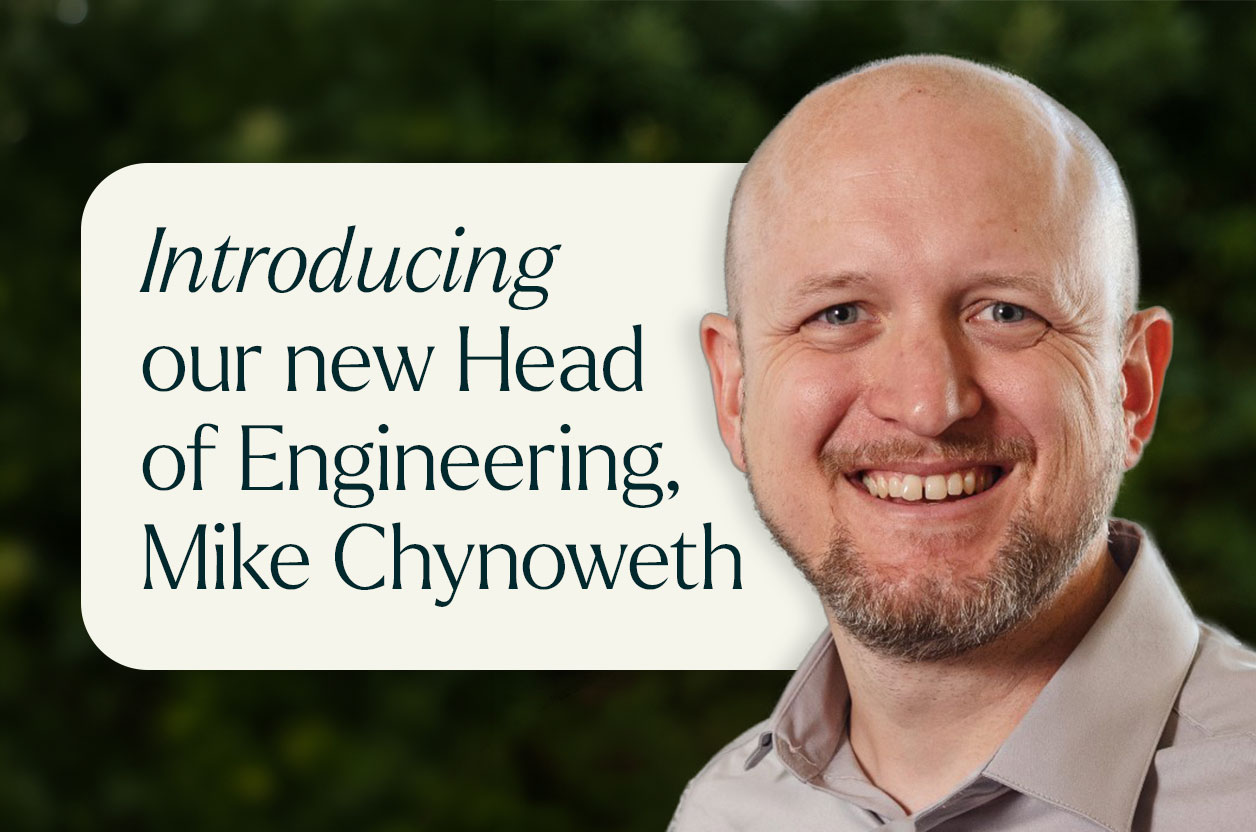
ieso Welcomes Mike Chynoweth as Head of Engineering
An engineering executive who translates strategy into execution and builds teams that deliver quality at speed, Mike Chynoweth brings over 20 years of experience across healthcare, security, and regulated SaaS to ieso as Head of Engineering.