
3/3/26
In Mental Health AI, Safety Is the Floor. Evidence Is What Counts.
The market is waking up to a new reality.

Back to Resources



Summary
Safety used to be the differentiator in mental health AI. It is now the baseline. Evidence is what sets responsible programs apart. ieso's Velora program is built on more than 750,000 hours of outcomes-linked therapy sessions and has shown symptom improvements comparable to traditional human-delivered care in controlled studies. Its three-layer architecture combines a CBT-aligned clinical core, a generative experience layer, and a safety wrapper. Across 55,000+ AI-generated responses evaluated to date, no safety concerns or harmful language have been flagged.
Picture a young woman in the dark at 2:30 a.m., clutching her phone and typing into an AI chatbot for help because her anxious mind won’t switch off. Or a man in his 50s with chronic back pain, finally opening up about the years of depression sitting underneath it.
Maybe that woman or man is you. Or someone you love.
When those are the problems people bring to the other side of the screen, we don’t get to just “ship it and see what happens.” If people can’t trust that the tools they reach for won’t cause harm or make things worse, nothing else matters.
The market is waking up to that reality. Healthcare buyers have been laser-focused on one thing when it comes to mental health AI: safety. How do you prevent harmful responses and hallucinations? What happens when someone mentions suicide? Show me your safety data.
That focus has been a good thing. It’s pushed vendors to talk about guardrails, red-teaming, and human oversight. Safety hasn’t become less important – it’s more scrutinized than ever – but it’s no longer what sets anyone apart. It’s the floor.
It’s like a restaurant promising it won’t give you food poisoning. That’s not a reason to dine there. You expect that before you walk in the door.
Now the questions are starting to shift – from “Is this safe?” to “Does this actually work, and for whom?”
If safety is the minimum requirement, what makes one mental health AI solution worth trusting over another? What makes it something you’d feel comfortable putting into a real care pathway, with real people like you or someone you love depending on it?
For us at ieso, the answer is simple: evidence and clinical rigor.
It all starts with humans
Our work didn’t start by asking "What can AI do?” We began over a decade ago with a simple set of questions: What works in therapy? For whom? And why?
To answer them, we built one of the world’s richest real-world therapy datasets: more than 750,000 hours of outcomes-linked sessions, representing over a billion words spoken between therapists and patients. We then used AI to analyze these conversations, helping us discover which therapeutic approaches, which specific words and phrases, even which conversation patterns led to real symptom relief.
Building on science, not vibes
This dataset became the foundation for Velora, our mental health support program. Instead of relying on internet scraping and guessing what “good care” looks like, we built it on the conversations that actually helped people recover and thrive.
The results speak for themselves. In controlled studies, Velora has delivered symptom improvements comparable to traditional human-delivered therapy, along with better day-to-day functioning. Early health-economic work points to meaningful medical cost savings. This is good news for payers and care providers treating high-cost chronic conditions, where mental and physical health so often move together – from GI disorders and chronic pain/MSK to cardiometabolic, peri/postnatal, and peri/menopause care.
These aren't marketing claims. The results come from peer-reviewed, published work that is meant to stand up to scrutiny.
Safety isn't an afterthought
Safety may now be the minimum in mental health AI, but we still treat it as a first-class design problem.
Velora uses a three-layer architecture:
- A clinical core that keeps conversations aligned with evidence-based cognitive behavioral therapy (CBT) techniques
- An experience layer that uses generative AI to make each interaction feel natural and personalized while maintaining clinical integrity
- A safety wrapper with multi-layered risk protocols, automated evaluation agents, and clinician oversight dashboards
Safety is a built-in constraint on how we design, train, and deploy Velora from day one. Before any update goes live, we run thousands of simulated test conversations. Automated systems scan for problems. Human clinical experts review the outputs.
Across more than 55,000 AI-generated responses evaluated to date, our monitoring has flagged no safety concerns or harmful language. People have described their experience with Velora as safe, personalized, and helpful.
A living evidence system
The biggest opportunity in mental health AI is to build safe systems that keep learning and improving.
We’ve created a living evidence loop:
- use data and clinical best practice to design the program
- rigorously test it
- deploy it in the real world
- feed outcomes back into the system so it becomes safer and more effective over time
Every interaction someone has with Velora teaches us something. Every outcome helps make the next conversation more helpful, so more people can heal.
In a crowded “AI-powered” mental health landscape, safety used to be the ceiling. Now it’s the floor. The companies that earn trust will be the ones that can show their systems work for real people, deliver value for them, integrate into existing care pathways, and keep getting better.
That’s the standard we hold ourselves to at ieso: safety as non-negotiable, and evidence as everything.


ABOUT THE AUTHOR
Clare Palmer, PhD

Latest Articles
9/9/26
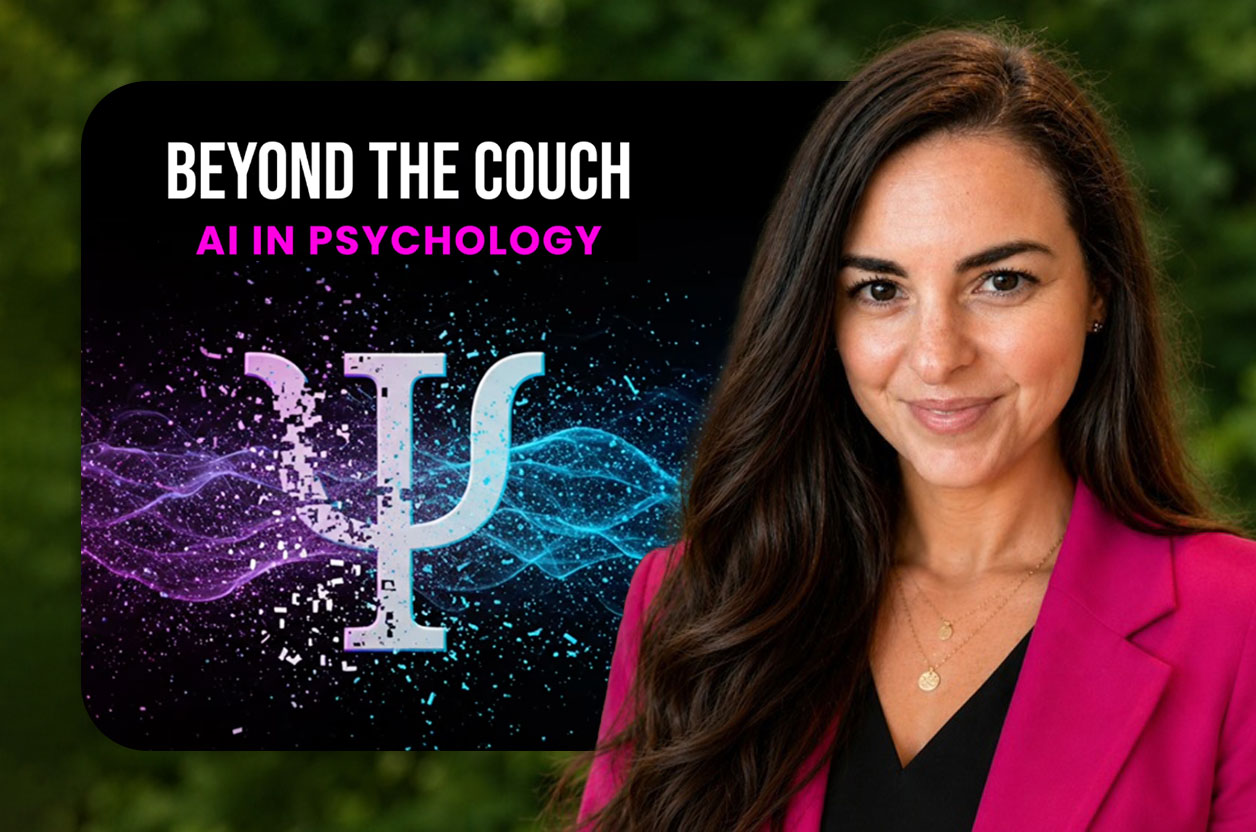
The Future of AI in Mental Health: Safety, Therapy, and Human Judgment
On the Beyond the Couch podcast, ieso's Head of Clinical Strategy, Alyssa Dietz, PhD, gets into where AI earns its place in mental health support and where human clinical judgment stays non-negotiable.

9/2/26
Listen Longer
Two years into his role, ieso CEO Kent Tangen pauses to reflect on lessons learned about leadership, ambition, humility, and building mental health support around what clinicians and patients need.
7/22/26
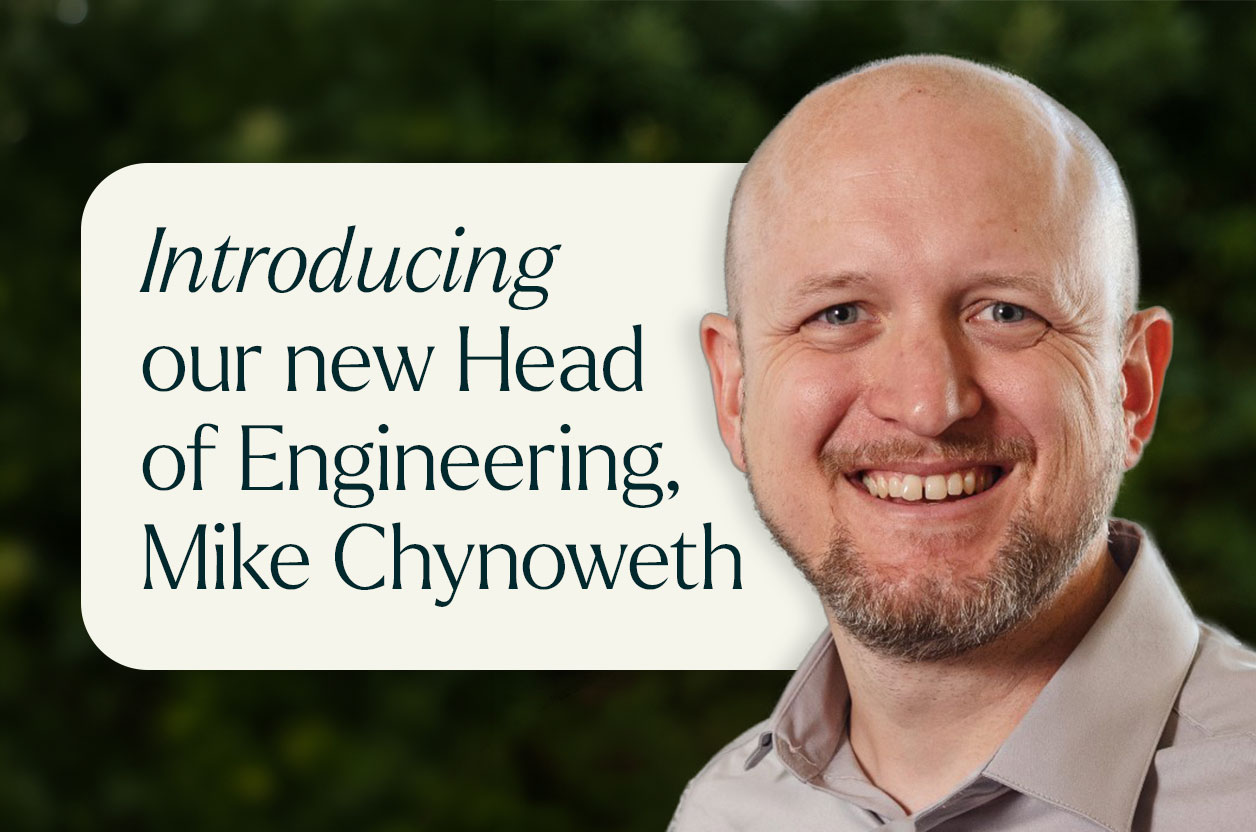
ieso Welcomes Mike Chynoweth as Head of Engineering
An engineering executive who translates strategy into execution and builds teams that deliver quality at speed, Mike Chynoweth brings over 20 years of experience across healthcare, security, and regulated SaaS to ieso as Head of Engineering.

7/8/26
Joy Isn't a Reward for Healing
Dr. Talia Cohen and Alyssa Dietz, PhD, on chronic conditions, identity, lived experience, and the mental health piece most digital health companies are still missing.