
4/16/26
Diabetes Care Needs to Account for the Mental Load
People with diabetes are more likely to experience depression and anxiety. When mental health goes unaddressed, disease management falters. Here's what integrated support changes.

Back to Resources
.jpg)


Summary
People with type 2 diabetes are two to three times more likely to experience depression and 20% more likely to have anxiety, yet only 25 to 50% are ever identified and supported (CDC). ieso's clinical study with Roche followed 102 people with type 2 diabetes and comorbid depression or anxiety, delivered by therapists trained in diabetes care. Participants saw an 8.4-point drop on PHQ-9, a 5.9-point drop on GAD-7, and meaningful reductions in diabetes distress. Patient activation, which predicts adherence and downstream cost, improved across half of all participants. Condition-specific mental health support is one of the clearest levers for breaking the cost cycle in diabetes care.
Maria lives with type 2 diabetes, and her to-do list is never done.
Every day, she checks her blood sugar before breakfast, again before lunch, and again before bed. By noon, she has already made a string of health decisions most people never think about. Meals get filtered through carbs, insulin, and movement. Even ordinary moments are tinged with the quiet fear of getting something wrong.
Some days, the weight of all that vigilance tips into something heavier. She skips a glucose check. Then another. She gets mad at herself for forgetting, frustrated that she has to remember, quietly furious that this is her life now. The disease didn't ask for her permission. It just moved in.
All the monitoring and constant management start to wear Maria down. Exhaustion takes hold, and hope gets harder to find.
That makes it harder for her to manage her disease, too.
The emotional strain of diabetes
Maria’s experience is deeply personal, but it’s hardly rare. Diabetes burnout and diabetes distress – feeling emotionally drained, overwhelmed, and less able to keep up with the nonstop demands of self-management – are often the result of the incredible demands of living with diabetes.
It helps explain why people with diabetes are two to three times more likely to experience depression than people without it, and why they’re 20% more likely to have anxiety, according to the CDC. Yet only 25-50% of people with diabetes who have depression ever get identified and supported for it.
As we’ve explored previously, the relationship runs both ways. Diabetes can drive psychological distress, and unmanaged distress can make the daily work of disease management harder to sustain. A 2024 survey by the International Diabetes Federation found that, among those affected by diabetes burnout, a large majority (75%) stopped or interrupted their diabetes care because they felt stressed or overwhelmed.
When the mental toll of living with a chronic condition like diabetes becomes too heavy, disease management often collapses with it.
What our research found
We wanted to understand what would happen if mental health support for people with type 2 diabetes was built specifically around the reality of living with it.
In a clinical trial we conducted in collaboration with Roche, we followed 102 people with type 2 diabetes and co-morbid depression and anxiety symptoms. They received a tailored program of Acceptance and Commitment Therapy (ACT) delivered one-to-one, via a secure text-based platform, by therapists who had specialist training in diabetes care.
Therapists were trained to understand how mental health difficulties and diabetes get tangled up in daily life, and to connect the therapeutic work back to what it actually feels like to live with the disease: negotiating every meal, facing daily decision fatigue, feeling like your body is a problem to be managed, and sitting with stigma, guilt, and fear of what comes next.
The goal was twofold: to reduce symptoms of depression and anxiety, and to help people re-engage with both their diabetes self-management and the parts of life that matter most to them.
That context changed the quality of support patients received, and that tailoring boosted outcomes.
At the end of the study, participants showed meaningful reductions in depression (–8.4 PHQ-9 points), anxiety (–5.9 GAD-7 points), and diabetes distress (–0.94 DDS points). The finding with the sharpest downstream implications was that patient activation improved substantially. The share of people at the lowest activation level – representing those who were disengaged and overwhelmed by their diabetes management – dropped from 44% to 24%. Half of all participants moved up at least one level.
This wasn't a randomized controlled trial. So to benchmark against standard care, we compared symptom reductions to three different groups of diabetes patients receiving standard Cognitive Behavioral Therapy (CBT) drawn from ieso's de-identified behavioral health dataset. All groups improved, but those receiving the diabetes-tailored treatment improved more.
This fits with what clinical guidelines have been saying for some time: mental health support works better when it's integrated into chronic condition care.
Why patient activation matters
Patient activation measures whether someone has the skills, knowledge, and confidence to manage their own condition. In type 2 diabetes, that can shape whether someone stays engaged in glucose monitoring, medication routines, diet, exercise, and the broader work of self-management.
Depression and anxiety make it harder to stay on top of a condition that already demands a lot. Patient activation drops, self-management slips, and the clinical and economic consequences build quickly.
A study of more than 33,000 patients found that people at the lowest activation levels had healthcare costs 8% higher in the same year and 21% higher the following year than those at the highest levels. For digital health companies building diabetes programs, that’s not a peripheral concern.
People who feel supported in managing the full weight of their condition stay more engaged, better adhere to treatment, and are less likely to need expensive downstream intervention. Increasing patient activation through integrated digital mental health support is one route to breaking that cycle.
Condition-specific mental healthsupport, at scale
The therapists in our diabetes study saw better outcomes, in part, because they were trained to have disease-specific context. That shaped how they listened, what they asked, and how they helped people work towards their goals and feel better.
It’s not realistic to train every therapist to that level of depth across every chronic condition. But technology can help scale that kind of specificity. AI makes it possible to build condition-specific understanding into digital mental health support, so it's more relevant, automatically personalized, and available whenever people need it. Not as a replacement for human clinicians, but to give patients more choice, reduce stigma, and increase access to support that reflects what they're actually living with.
We want to build a healthcare system where digital mental health support is woven into the platforms people are already using to manage their condition, not bolted on as a separate service they have to find, sign up for, and navigate on their own.
Maria doesn’t need another app to download. She needs support that gets what diabetes asks of her, available in the place she already goes to stay on top of it.
For the companies building her care program, that distinction is the difference between a member who stays and one who falls out. That’s the opportunity.


ABOUT THE AUTHOR

Clare Palmer, PhD

Latest Articles

9/9/26
The Future of AI in Mental Health: Safety, Therapy, and Human Judgment
On the Beyond the Couch podcast, ieso's Head of Clinical Strategy, Alyssa Dietz, PhD, gets into where AI earns its place in mental health support and where human clinical judgment stays non-negotiable.

9/2/26
Listen Longer
Two years into his role, ieso CEO Kent Tangen pauses to reflect on lessons learned about leadership, ambition, humility, and building mental health support around what clinicians and patients need.
7/22/26
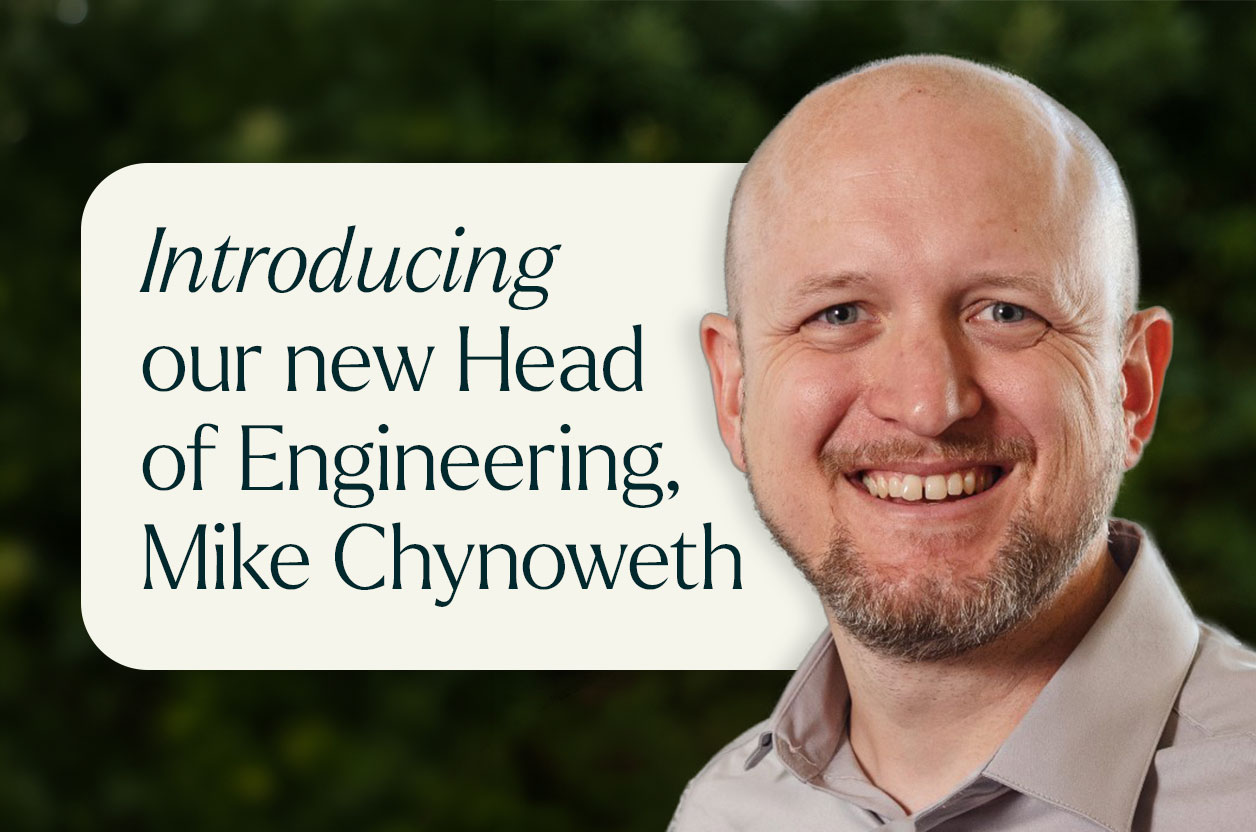
ieso Welcomes Mike Chynoweth as Head of Engineering
An engineering executive who translates strategy into execution and builds teams that deliver quality at speed, Mike Chynoweth brings over 20 years of experience across healthcare, security, and regulated SaaS to ieso as Head of Engineering.

7/8/26
Joy Isn't a Reward for Healing
Dr. Talia Cohen and Alyssa Dietz, PhD, on chronic conditions, identity, lived experience, and the mental health piece most digital health companies are still missing.