
3/10/26
The Hormonal Blind Spot in Women's Mental Health
A reflection for International Women's Day on hormonal transitions and women's mental health risk across puberty, peripartum, and menopause — and how we can respond better.

Back to Resources



Summary
Women's mental health risk rises sharply at three hormonal transitions: puberty, peripartum, and menopause. Women aged 50-54 have the highest female suicide rate in England and Wales. Suicide is the leading cause of maternal death between six weeks and one year postpartum in the UK. Women are 40% more likely to experience depression during the menopausal transition than premenopause. Despite this, only 3% of women aged 40-60 mentioned menopause in ieso's UK therapy data, and the Royal College of Psychiatrists reports 41% of psychiatrists feel 'not confident at all' responding to women's hormonal health. Connecting hormonal change to mental health symptoms is where prevention starts.
Across the female lifespan there are three major hormonal tides: puberty, peripartum, and menopause.
Each time the tide shifts, mental health risk rises.
Yet hormones are still rarely considered in how we understand or respond to women's mental health.
A few statistics stand out.
- Women aged 50–54 have the highest female suicide rate in England and Wales — an age that closely overlaps with the menopause transition.
- Suicide is the leading cause of maternal death between 6 weeks and one year postpartum in the UK.
- Women are 40% more likely to experience depression during the menopausal transition than in their premenopausal years, even without a prior psychiatric history.
These numbers all sit at the intersection of hormonal change and mental health. Together they point to a gap in how we understand, identify, and respond to women's mental health across the lifespan.
The Same Story, at Different Life Stages
Women are almost twice as likely as men to experience depression or anxiety. Biology is unlikely to be the whole story, but it is difficult to ignore the role hormones may play.
Estrogen influences several neurotransmitter systems involved in mood and cognition, meaning every major hormonal transition has neurological consequences, not just reproductive ones.
At several points across the lifespan, the pattern repeats.
Following puberty, rates of depression and anxiety in girls diverge sharply from boys. Postpartum, approximately 17% of new mothers experience depression. And during the menopausal transition, depression risk rises again.
Of course, temporal correlation does not prove causation. And not every woman experiencing these hormonal shifts experiences mental health symptoms.
These life stages coincide with substantial psychosocial pressures. Women often carry a disproportionate share of unpaid labor, experience higher rates of chronic pain and autoimmune disease, face greater risk of domestic abuse, and may be supporting both children and ageing parents while working full-time.
But when the same pattern appears repeatedly around predictable biological transitions, it is worth asking whether we are paying enough attention. And, in turn, what proportion of the severe deteriorations in mental health during these transitions might be preventable?
Are Women Looking for the Wrong Symptoms?
Prevention starts with recognizing what might be driving symptoms in the first place.
Many women don't expect their mental health symptoms to be hormonal.
There has been substantial research exploring links between pubertal changes and mental health in adolescence. Awareness of postpartum depression and psychosis has also improved dramatically in recent years. But the same awareness has not yet extended to perimenopause.
A recent survey of 17,494 women by Flo Health and Mayo Clinic illustrates this gap. Hot flashes were the symptom most likely to be recognized as related to perimenopause (71%). Yet among women actually in perimenopause, the top five symptoms were exhaustion (95%), fatigue (93%), irritability (91%), sleep problems (89%), and depressive mood (88%).
That mismatch matters.
A woman in her late forties experiencing mood change, fatigue, and irritability is far more likely to seek help for depression or burnout than to connect those symptoms to hormonal change. She goes to her GP or therapist without ever mentioning menopause, simply because she doesn't realize it could be relevant.
In our own data from ieso's UK text-based therapy service, only 3% of more than 17,000 women aged 40 to 60 mentioned menopause in their therapy sessions. For those who did make the connection, outcomes were better when therapists explicitly addressed the cognitive and emotional impact of menopause on their mental health.
These data alone cannot tell us what proportion of those women did have symptoms that were hormonally driven, or what other factors contributed to improved outcomes. But they point in a consistent direction: many women are not making the hormonal connection.
Research suggests that perimenopausal depression may represent a distinct subtype, qualitatively different from depression at other life stages, and potentially requiring its own diagnostic and treatment approaches.
Connecting the dots is where we start. Only then can we understand what may be driving a woman's mental health difficulties, and what treatments are most likely to help.
The System Isn't Ready, Either
The responsibility shouldn't fall solely on women.
Clinicians need to be equipped to join the dots themselves and respond appropriately.
Last week, the Royal College of Psychiatrists published a new position statement on menopause and mental health, a signal that the profession is taking this issue more seriously.
It cites a recent member survey in which 41% of psychiatrists reported feeling "not confident at all" responding to women's and girls' hormonal health, including menopause.
One psychiatrist noted simply: "I have never received any training on the impact of menopause/perimenopause on mental health."
The same gap exists in primary care. In both the UK and US, the majority of physicians feel inadequately prepared to support menopausal women appropriately.
The picture that emerges is of a system where women don't know what to look for, clinicians don't know how to respond, and care is fragmented across specialties that rarely speak to each other.
Women are left trying to understand their mental health in a system not designed to help them do it.
Three Questions Worth Asking
- How do we help women connect their lived experience to their hormonal health, so that exhaustion, low mood, and anxiety in their forties doesn't simply get filed under "stress"?
- How do we equip clinicians across psychiatry, primary care, and gynecology to ask the hormonal question, and coordinate the care that follows?
- What can we build in health tech to detect these signals and intervene earlier, before women reach crisis, making whole-person care accessible, not aspirational?
Women are dying by suicide during the postpartum year and the menopause transition, often without ever connecting what was happening hormonally to what was happening mentally. We know current provision isn't meeting women's needs, and that earlier support can reduce mental health risk factors.
Many of these deaths are preventable.
On International Women's Day, the invitation is to start connecting the dots.
At ieso, we're developing new approaches to mental health care aimed at bridging this gap.
If you're a clinician, innovator, or someone with lived experience:
- Where do you see the biggest gaps in the system?
- Where could earlier support make the biggest difference?
I'm really interested to hear different perspectives.


ABOUT THE AUTHOR

Clare Palmer, PhD

Latest Articles

9/9/26
The Future of AI in Mental Health: Safety, Therapy, and Human Judgment
On the Beyond the Couch podcast, ieso's Head of Clinical Strategy, Alyssa Dietz, PhD, gets into where AI earns its place in mental health support and where human clinical judgment stays non-negotiable.
9/2/26
Listen Longer
Two years into his role, ieso CEO Kent Tangen pauses to reflect on lessons learned about leadership, ambition, humility, and building mental health support around what clinicians and patients need.
7/22/26
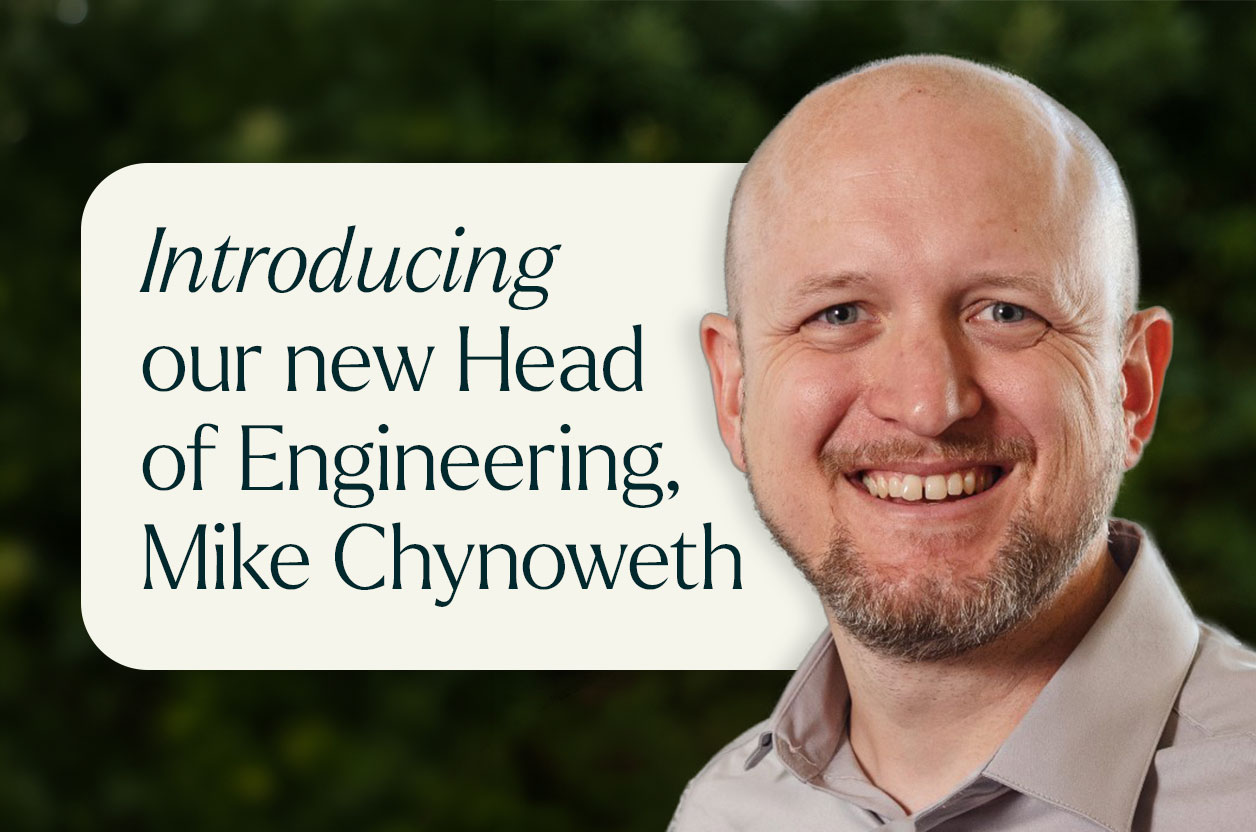
ieso Welcomes Mike Chynoweth as Head of Engineering
An engineering executive who translates strategy into execution and builds teams that deliver quality at speed, Mike Chynoweth brings over 20 years of experience across healthcare, security, and regulated SaaS to ieso as Head of Engineering.

7/8/26
Joy Isn't a Reward for Healing
Dr. Talia Cohen and Alyssa Dietz, PhD, on chronic conditions, identity, lived experience, and the mental health piece most digital health companies are still missing.