
8/26/2026
What a Cleveland Clinic GI Psychologist Wishes Health Leaders Understood
The science of the gut-brain connection, the mental toll of chronic GI symptoms, and why holistic care can help GI patients live better.

Back to Resources

In an international survey of irritable bowel syndrome (IBS) patients, they told researchers they'd be willing to give up a quarter of their remaining life — an average of about 15 years — in exchange for a treatment that would make them symptom-free.
This is a staggering admission. It captures just how taxing it is to live with a chronic gastrointestinal (GI) condition, physically and mentally.
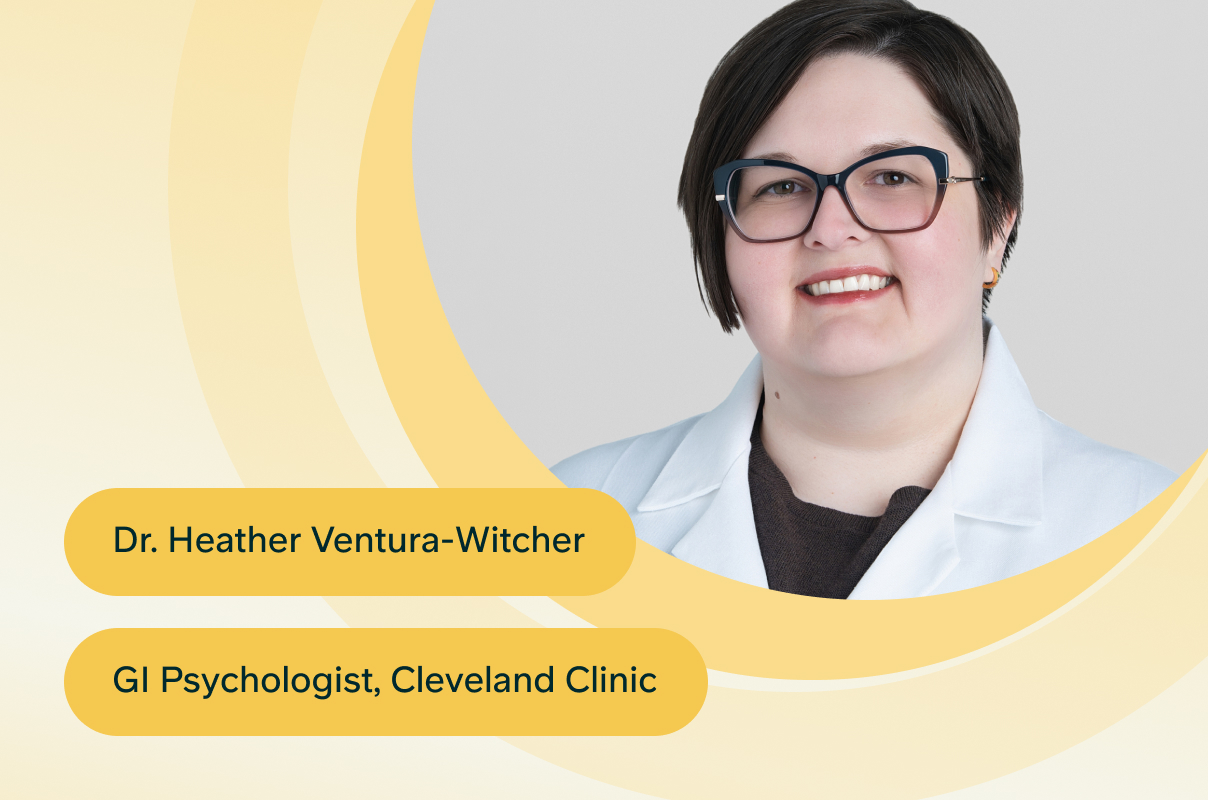
This episode of ieso Conversations features Dr. Heather Ventura-Witcher, a GI psychologist at the Cleveland Clinic who specializes in digestive diseases, dysautonomia, and medical trauma. She's joined by host Kristen Sills, ieso's Director of Marketing, and Alyssa Dietz, PhD, a licensed clinical psychologist and Head of Clinical Strategy at ieso, whose work spans the VA, academic medical centers, and digital mental health.
They get into what's going on inside the body when the gut and brain stop communicating well, why patients are so often wrongly led to believe that what they're experiencing is all in their head, and which treatments and support methods help people with chronic GI conditions reclaim their quality of life. They also explore what it takes to bring mental health support into chronic care, so patients get help in the moments between appointments when they need it most.
Asked what she'd want a room of healthcare leaders to understand, Dr. Heather doesn't hesitate: mental health belongs on equal footing with medication and testing. "Focusing on mental well-being for patients should hold as much importance as focusing on medication and testing and general primary care appointments. And currently that is not the case."
It's a message she brings to her patients, too. "You are not here because this is all in your head," she tells every new one. "You are here because your brain and your digestive tract have somehow gotten their wires crossed."
Inside this conversation:
- How the gut-brain connection works, why the fight-or-flight response fires over a stomach ache the same way it would over a bear in the room, and how that wiring drives GI symptoms
- Why stress by itself doesn't cause these conditions but can amplify them
- The "internalized gaslighting" that can happen when patients are made to believe their symptoms are all in their head, and what it costs them
- Gut-directed hypnosis, DBT, and ACT: three evidence-based treatments used to calm an overreactive gut, help patients stop white-knuckling every flare, and live a values-aligned life
- Why virtual care works just as well for these treatments and reaches patients who'd otherwise never see a GI psychologist
- The pros and cons of the rise of health and wellness influencers flooding our feeds with advice
- What breaks down when care stays siloed and patients get "hot-potatoed" between specialists who never see the whole-health picture
- Why integrating mental health into chronic care isn't just the humane thing to do, it’s also good for business by reducing hospitalizations, procedures, and costs
Follow the guests:
➡️ Heather Ventura-Witcher on LinkedIn
➡️ Alyssa Dietz on LinkedIn
➡️ Kristen Sills on LinkedIn


Latest Articles

10/6/26
ieso Welcomes Arielle Pulverman, PhD as Head of Clinical Product
Meet the health psychologist, founder, and product leader shaping how ieso builds clinically grounded AI for mental health.

9/9/26
The Future of AI in Mental Health: Safety, Therapy, and Human Judgment
On the Beyond the Couch podcast, ieso's Head of Clinical Strategy, Alyssa Dietz, PhD, gets into where AI earns its place in mental health support and where human clinical judgment stays non-negotiable.

9/2/26
Listen Longer
Two years into his role, ieso CEO Kent Tangen pauses to reflect on lessons learned about leadership, ambition, humility, and building mental health support around what clinicians and patients need.
7/22/26
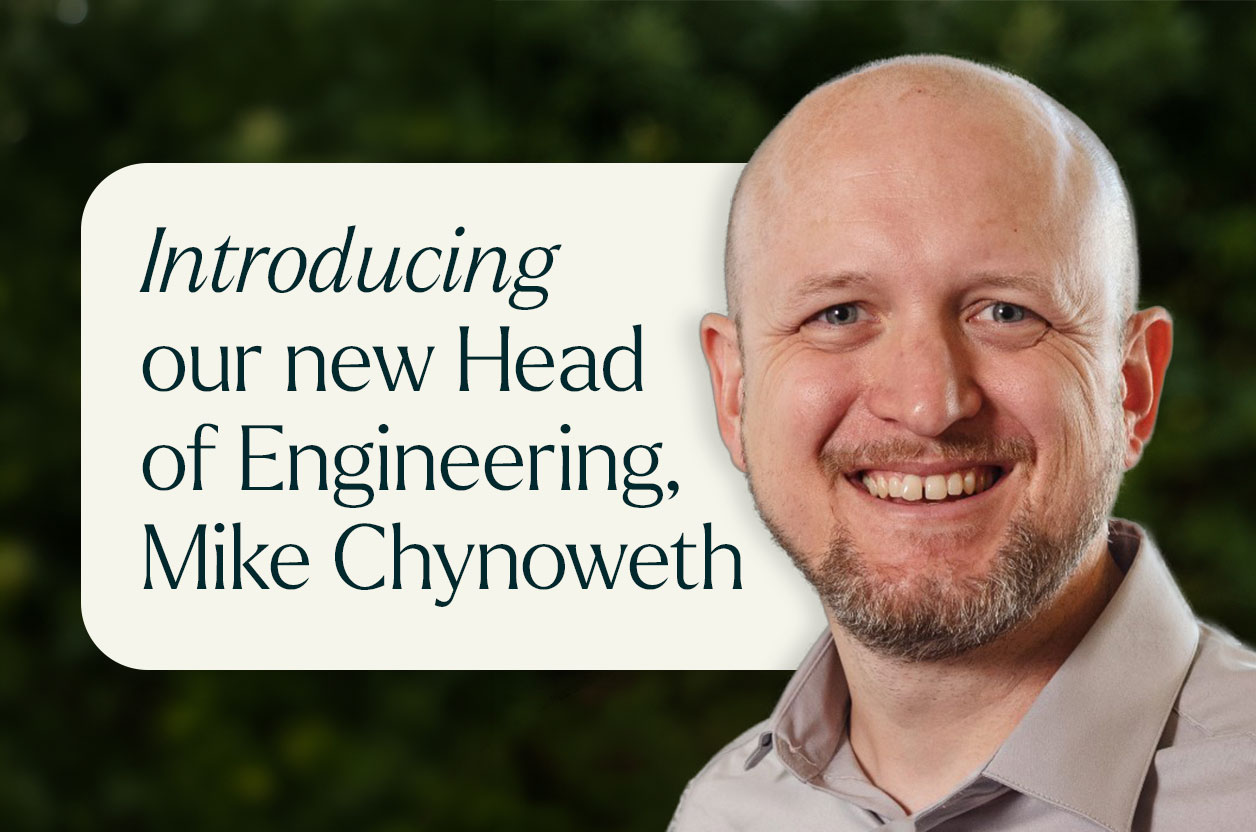
ieso Welcomes Mike Chynoweth as Head of Engineering
An engineering executive who translates strategy into execution and builds teams that deliver quality at speed, Mike Chynoweth brings over 20 years of experience across healthcare, security, and regulated SaaS to ieso as Head of Engineering.